
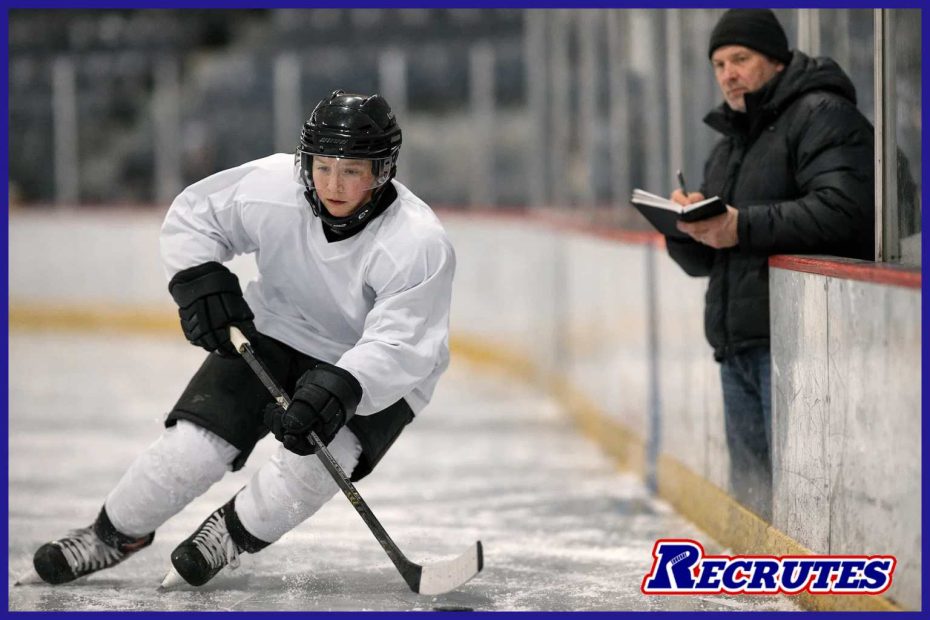
Every draft season reminds me how easy it is to rely too heavily on statistics when evaluating young players. Numbers provide useful context, but they rarely explain how a player processes the game or whether their habits will remain effective at the NHL level. When I review draft prospects, I am usually trying to understand which elements of their game can translate when pace increases and time becomes limited.
As of March 2026, scouting departments continue blending traditional observation with modern tools such as video tracking and performance data. Technology helps identify trends, but live viewings still provide the clearest insight into how players react under pressure and how consistently they make decisions.
A strong evaluation always requires context. Ice time, role usage, league strength and development environment all influence how a player should be projected. The goal is not simply to identify the most productive junior players, but to recognize which habits can survive the transition to professional hockey.
Skating Ability Remains the First Indicator
The speed of the NHL continues to increase each season, which makes skating one of the most important foundations of modern scouting. A player may perform well in junior competition but still encounter difficulty if skating mechanics cannot support faster transitions and reduced reaction time.
When I watch a prospect skate, I am usually looking beyond straight-line speed. Acceleration in short areas, balance when absorbing contact and the ability to maintain control while changing direction often reveal more about long-term potential.
Skating habits that often translate successfully
- quick first steps that create separation
- efficient edge control when changing direction
- ability to maintain puck control at pace
- balance through contact situations
- recovery stride that supports continuous movement
Strong skating allows players to adapt to different systems and responsibilities, which increases their chances of becoming reliable contributors at higher levels.
Hockey IQ Often Separates Top Prospects
Hockey sense is often more difficult to measure than physical tools, but it consistently separates players who adapt successfully from those who struggle with increased pace.
I often focus on what happens when a player does not have the puck. Anticipation, positioning and awareness frequently reveal whether a prospect can process the game quickly enough to handle NHL pressure.
Players with strong hockey awareness often appear calm under pressure because they recognize situations earlier than their opponents.
Indicators of strong hockey intelligence
- reading plays before they fully develop
- maintaining strong positioning in transition
- supporting teammates without overcommitting
- identifying passing lanes quickly
- adapting decisions based on changing pressure
Former NHL executive Brendan Shanahan has often emphasized that elite players process the game faster than others around them. That ability becomes even more valuable when facing stronger competition.
Production Must Be Viewed in Context
Scoring statistics naturally draw attention during draft discussions, but production varies depending on usage, team structure and league environment. A player receiving significant power play time may accumulate points differently than a prospect used primarily in defensive situations.
Context often explains differences in statistical output between players competing in separate leagues or systems.
| Factor | Influence on statistics |
|---|---|
| power play usage | increases scoring opportunity |
| quality of linemates | affects assist totals |
| league scoring pace | changes statistical averages |
| coaching structure | influences offensive freedom |
| defensive responsibilities | may reduce scoring chances |
For that reason, I usually focus on repeatable habits such as puck retrieval, shot creation and decision speed rather than relying only on total points.
Physical Development Timelines Differ
One of the most important challenges in scouting involves projecting physical maturity. Some prospects appear physically developed at draft age, while others continue gaining strength into their early twenties.
Physical progression can influence several performance areas, especially when transitioning to professional competition.
Areas affected by physical development
- puck protection strength
- ability to win contested battles
- shooting power
- endurance across long seasons
- durability when facing physical pressure
Development timelines rarely follow the same path for every player, which is why projection plays such an important role in draft evaluation.
Role Usage Can Influence Perception
Prospects are not always placed in roles that maximize offensive production. Coaching decisions and team needs often determine how players are deployed throughout the season.
A forward asked to focus on defensive responsibilities may show fewer offensive results but still demonstrate traits that translate well to higher levels.
Understanding role context helps avoid undervaluing players contributing in less visible ways.
Examples of role influenced evaluation
- defensive assignments limiting offensive zone time
- penalty killing roles highlighting anticipation ability
- transition usage emphasizing skating efficiency
- matchup responsibilities demonstrating positioning strength
Role context often explains why certain players perform differently when moving between teams or leagues.
Draft Evaluation Trends in 2026
Recent draft classes continue showing increased emphasis on pace, adaptability and positional flexibility. Teams increasingly value players capable of contributing in multiple situations rather than specializing in only one role.
Several consistent trends have become more noticeable this season.
- emphasis on skating efficiency across all positions
- importance of decision speed under pressure
- value of positional versatility within team structure
- continued development of transition-focused play
- integration of video tools alongside traditional scouting
Despite technological advancements, live viewing still provides context that statistics alone cannot fully capture.
Final Thoughts
Projecting NHL talent will always involve uncertainty. Development rarely follows a predictable timeline, and even highly regarded prospects can progress differently depending on environment and opportunity.
The most consistent approach remains identifying habits that translate across levels of competition. Skating mechanics, decision-making ability and adaptability continue to influence how players are evaluated each season.
As the 2026 draft approaches, the challenge remains the same. Separate short-term performance from long-term projection and recognize which skills can remain effective as the game continues to evolve.